
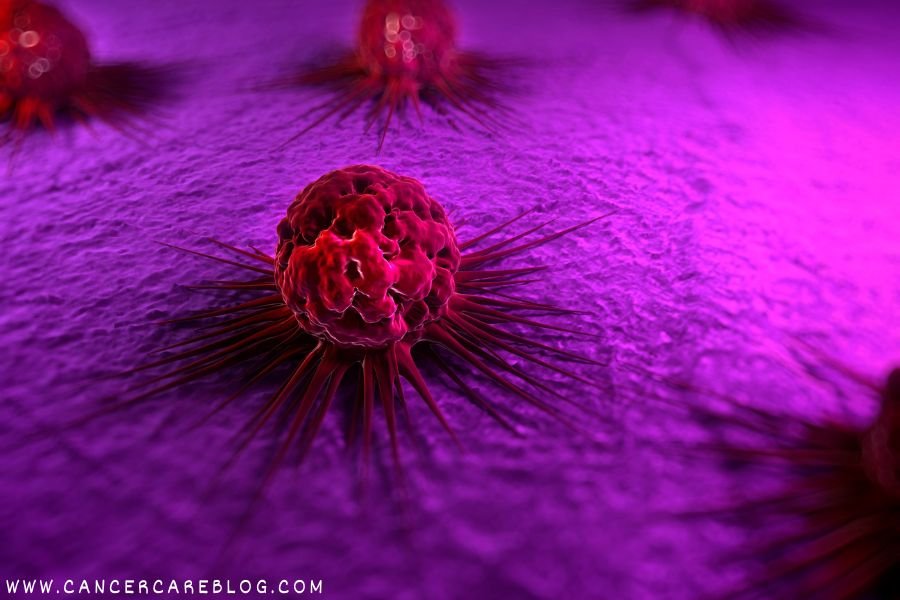

When someone is diagnosed with cancer, the first question that naturally comes to mind is:
“What can kill cancer cells?”
It’s an important question — and the answer involves both the body’s natural defenses and advanced medical treatments.
Let’s walk through everything you should know, whether you are facing cancer yourself or are researching for a loved one.
The Body’s Natural Defense Against Cancer
Believe it or not, your body constantly fights abnormal cells — even before they become cancer.
Here’s how:
1. Immune System Surveillance
-
Specialized white blood cells, like T-cells and natural killer (NK) cells, patrol your body.
-
They detect abnormal cells and destroy them before they multiply.
-
If these cells escape, that’s when tumors can form.
Fun Fact: Every day, the immune system detects and destroys several abnormal cells that could become cancerous.
Natural Ways the Body Tries to Kill Cancer Cells
The human body is quite powerful. Here are a few natural ways to kill cancer cells:
| Body Mechanism | Role Against Cancer |
|---|---|
| Apoptosis (Cell Suicide) | Damaged cells self-destruct before causing harm. |
| Immune Response | T-cells attack and destroy cancerous cells. |
| Inflammation Control | Healthy inflammatory responses can contain abnormal growth. |
However, sometimes cancer cells outsmart the immune system.
When that happens, medical treatments become necessary.
Medical Treatments That Kill Cancer Cells
Modern medicine offers several proven cancer treatment options to destroy cancer cells:
1. Chemotherapy
-
Uses strong medicines to kill fast-growing cancer cells.
-
Often given as chemotherapy injections or pills.
-
Can cause side effects because it also affects some healthy fast-growing cells.
2. Radiation Therapy
-
Targets cancer with high-energy rays to damage their DNA.
-
Helps shrink tumors or eliminate small groups of cells.
3. Immunotherapy
-
Boosts your immune system to recognize and destroy cancer cells better.
-
Includes checkpoint inhibitors and CAR T-cell therapies.
Fact: Immunotherapy has shown long-term survival benefits in some types of aggressive cancers.
4. Targeted Therapy
-
Focuses on specific genetic mutations found in cancer cells.
-
Leaves most normal cells untouched, reducing side effects.
5. Surgery
-
Physical removal of the tumor and nearby affected tissues.
-
Often used when cancer is localized.
6. Stem Cell Transplant
-
Replaces damaged bone marrow after intensive chemotherapy or radiation.
-
Essential for blood cancers like leukemia.
Emerging and Complementary Ways
New research constantly explores alternative and complementary approaches:
-
Cancer vaccines: Training the immune system to prevent recurrence.
-
Hyperthermia therapy: Using heat to damage and kill cancer cells.
-
Nutritional interventions: Diets rich in anti-inflammatory foods like fruits, vegetables, and omega-3s.
Important: These should complement, not replace, proven treatments.
Lifestyle Factors: Can They Help?
While lifestyle changes alone can’t cure cancer, they support the body’s defense and improve treatment outcomes:
-
Eating antioxidant-rich foods (berries, leafy greens)
-
Staying physically active to boost immunity
-
Avoiding smoking and limiting alcohol intake
-
Managing stress through mindfulness, yoga, or counseling
Common Myths to Ignore
| Myth | Reality |
|---|---|
| “Vitamin C megadoses kill all cancers.” | No solid clinical evidence yet. |
| “Alkaline water cures cancer.” | Scientific data does not support this claim. |
| “Natural remedies alone can treat cancer.” | Professional medical treatment is crucial. |
Conclusion: A Team Effort Against Cancer
Fighting cancer is a complex process.
What kills cancer cells isn’t just one thing — it’s a combination of your body’s natural power, modern medicine, and lifestyle support.
If you or someone you love is battling cancer, working closely with a cancer specialist ensures the best, most personalized strategy.
Stay informed, stay hopeful, and always seek trusted medical guidance!
Sources:


