
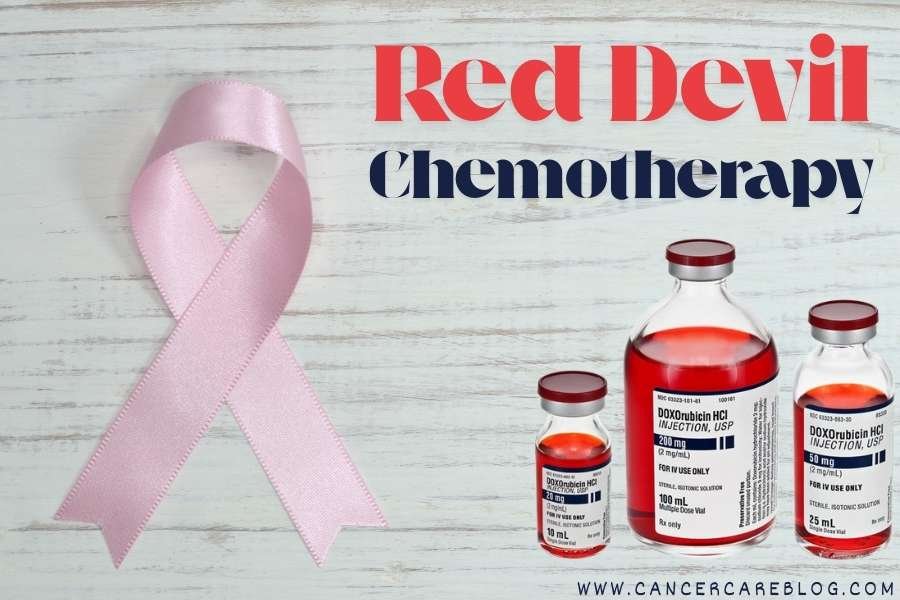

When someone hears the term “Red Devil” in the world of cancer treatment, it can sound terrifying — and for good reason. It’s a nickname for a chemotherapy drug known as doxorubicin, used in treating several cancers, including red devil breast cancer. The name itself comes from the drug’s bright red color and its intense side effects.
If you or a loved one has been recently diagnosed with breast cancer and your doctor has mentioned Red Devil chemotherapy, this article will help you understand what it is, how it works, and what to expect.
What Is Red Devil Chemotherapy?
The “Red Devil” refers to doxorubicin, a powerful chemotherapy medicine that belongs to a class of drugs called anthracyclines. It’s used as a cancer fighting drug to treat various cancers such as:
-
Breast cancer
-
Leukemia
-
Lymphoma
-
Ovarian cancer
-
Bladder cancer
For red devil breast cancer, especially aggressive or triple-negative types, doxorubicin is often a key part of the chemotherapy plan.
How Does Doxorubicin Fight Breast Cancer?
Doxorubicin works by interfering with the DNA inside cancer cells. It:
-
Stops cancer cells from reproducing
-
Damages their DNA so they can’t grow or divide
-
Eventually kills the cancer cells
It is typically given through a chemotherapy injection into a vein. The drug travels through the bloodstream to reach cancer cells throughout the body, making it effective for both early-stage and advanced breast cancer.
Why the Name “Red Devil”?
The nickname comes from two things:
-
Color – Doxorubicin is bright red. When given via IV, patients often describe seeing the red fluid being pushed into their body.
-
Side Effects – The drug is known for being effective but also harsh, particularly on the heart and the immune system.
Despite its frightening nickname, the Red Devil is often life-saving — especially when used early and with a carefully monitored treatment plan.
Side Effects of Red Devil Chemotherapy
Doxorubicin is strong, and so are its potential side effects. Some people experience mild reactions, while others may face more serious challenges.
Common Side Effects:
-
Nausea and vomiting
-
Hair loss (temporary)
-
Fatigue
-
Mouth sores
-
Low white blood cell count (increased infection risk)
Serious Side Effects:
-
Heart damage (cardiotoxicity): This is the most concerning. Doctors limit the total lifetime dose to reduce risk.
-
Bone marrow suppression: May require treatment delays or supportive care.
-
Menstrual changes or infertility
Your doctor may order heart tests before starting and during treatment to monitor safety. Even though it sounds alarming, many patients complete Red Devil treatment safely with proper medical supervision.
Is It the Only Option for Breast Cancer?
No — but it’s one of the most effective for certain types. Treatment plans may also include:
-
Cyclophosphamide
-
Paclitaxel (Taxol)
-
Hormone therapy
-
Targeted therapy (such as HER2 drugs)
Your treatment depends on the cancer stage, type, and receptor status (like HER2-positive or hormone-sensitive cancers).
Real-World Results: Why It’s Still Used
Despite side effects, doxorubicin has shown high effectiveness, especially in reducing tumor size before surgery (called neoadjuvant therapy) or eliminating leftover cancer cells after surgery (adjuvant therapy).
Studies show that Red Devil-based regimens increase survival rates, especially when used early in the treatment cycle for aggressive tumors.
What Should You Ask Your Doctor?
Here are a few important questions you might want to ask:
-
Why is doxorubicin included in my treatment?
-
What are the alternatives?
-
Will I need a heart scan before starting?
-
How many cycles will I receive?
-
How will side effects be managed?
Tips to Manage Red Devil Side Effects
-
Stay hydrated
-
Eat small, frequent meals
-
Use anti-nausea medications as prescribed
-
Use a soft toothbrush and avoid spicy food to reduce mouth sores
-
Rest, but stay mildly active if possible
-
Report any chest pain or shortness of breath to your doctor immediately
The Emotional Side of Red Devil Treatment
For many breast cancer patients, Red Devil treatment is as emotionally intense as it is physically. The bright red drug, hair loss, and fatigue can feel overwhelming.
But here’s the truth: thousands of women survive breast cancer because of this treatment. Some call it a battle scar, others a badge of strength. What’s clear is that the nickname “Red Devil” may sound scary — but it often plays a heroic role in recovery.
Final Thoughts: Don’t Let the Name Scare You
Yes, the Red Devil is strong. But that’s because breast cancer can be stronger if left unchecked. When used responsibly and with proper care, this cancer treatment medicine can help you defeat cancer and reclaim your life.
If you or someone you love is about to start Red Devil chemotherapy, know this — you are not alone. Prepare, ask questions, rest when needed, and trust your body and your care team.


Perfectly written and best to understand